
Father’s Day History
The Origins of Father’s Day: A ‘Second Christmas’ for Dads
By Ken Zurski
Nearly every May in the 1930’s, a radio performer named Robert Spere staged rallies in New York City promoting a day set aside not just to honor moms, but dads as well.
His hope was to change “Mother’s Day” to “Parent’s Day” instead.
Spere, a children’s program host known as “Uncle Robert” told his attentive audience: “We should all have love for mom and dad every day, but ‘Parent’s Day’ is a reminder that both parents should be loved and respected together.”
Spere was onto to something, but it would have to wait.
Much earlier, in 1908, a day set aside to celebrate mom, affectionately known as Mother’s Day, became a national day of observance. But there was no enthusiasm for a day set aside for fathers. “Men scoffed at the holiday’s sentimental attempts to domesticate manliness with flowers and gift-giving,” one historian wrote.
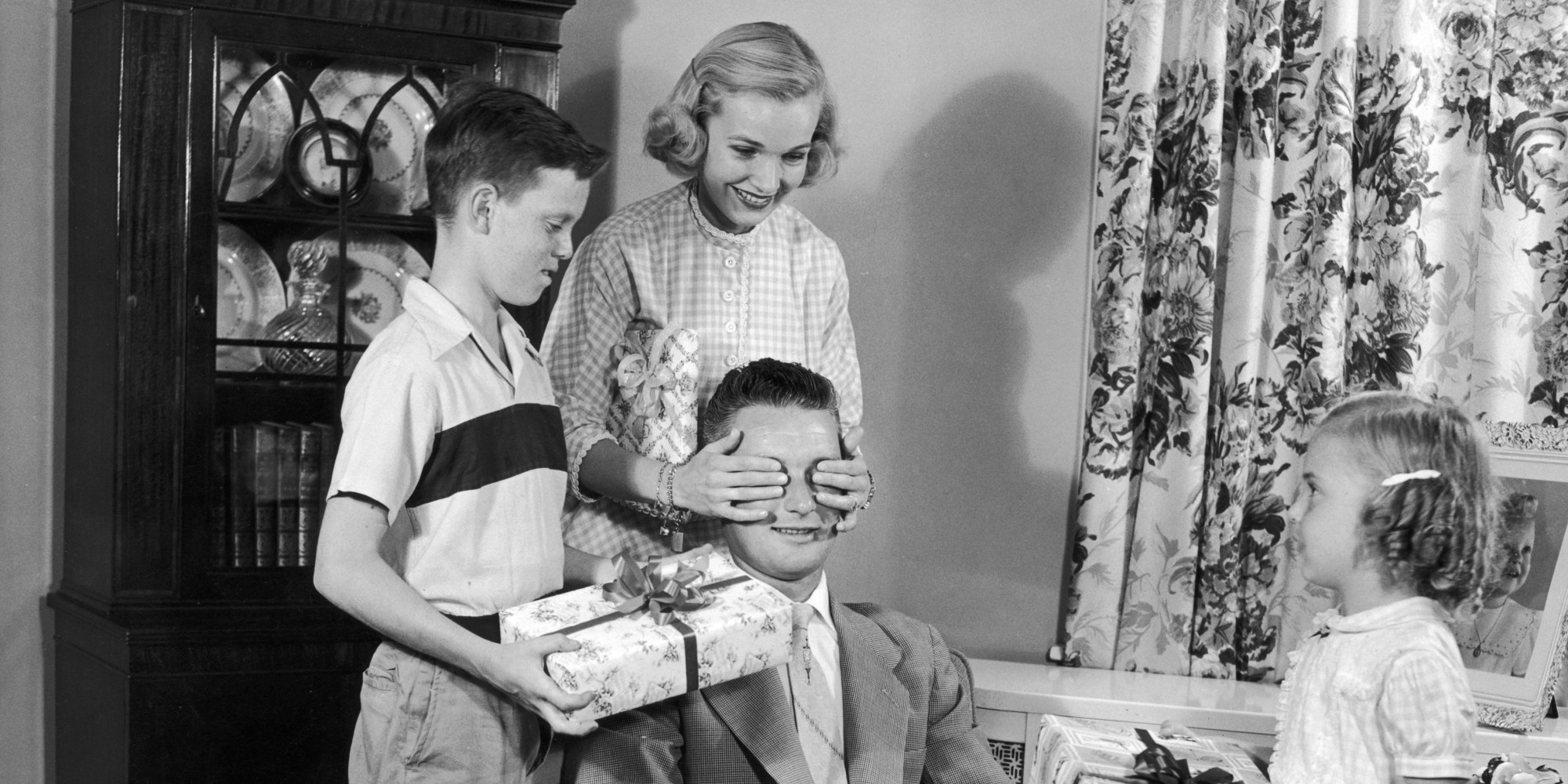
Retailers, however, liked the idea. They promoted a “second Christmas” for dads with gifts of tools, neckties and tobacco, instead of flowers and cards. But it never gelled. Even Spere’s “Parent’s Day” idea hit a snag when the Great Depression hit. (Today, “Parents Day” is officially celebrated on the fourth Sunday of every July.)
In 1966, President Lyndon Johnson signed a proclamation honoring fathers on the third Sunday of June.
Six years later, in 1972, with President Richard Nixon’s signature, “Father’s Day” officially became a national holiday.
 UNREMEMBERED